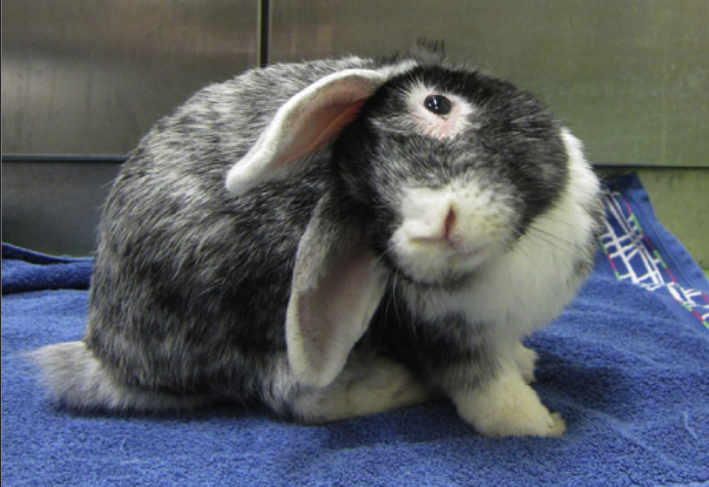
Diseases of Rabbits

There are several diseases that can be harmful to rabbits. These include coccidiosis, myxomatosis, intussusceptions, and ringworm. Luckily, most of these are treatable and reversible.
Pododermatitis
PODodermatitis in rabbits can be a painful condition, as the skin on the bottom of the feet can be damaged. This disease can cause chronic inflammation and damage the tendons, ligaments and bones in the foot.
The hocks, which are the part of the hind feet near the elbow, can also be affected. These feet are affected by genetic predisposition, as well as pressure from a variety of different factors.
If the disease is not treated, the condition can become more serious, causing permanent alterations to the stance and the feet. Pain may occur in the joints, and the rabbit will avoid moving, or may even become incontinent.
To minimize the risk of developing pododermatitis, keep your rabbit’s paws clean. Be sure to remove any soiled bedding from the floor, and change the substrate regularly. Also, clip your rabbit’s nails.
If you suspect your rabbit has pododermatitis, consult your vet. They will check the environment and prescribe treatment. You can also give analgesics to your rabbit if there is pain.
In severe cases, surgical treatment may be necessary. Deep infections can affect the bone and the marrow. X-ray imaging can help identify other causes of the pain and assess the depth of involvement in the foot.
Coccidiosis
Coccidiosis in rabbits is a disease caused by the protozoal parasite Eimeria spp. It causes high mortality and severe damage to the liver. The disease is mainly found in young rabbits. There are two forms of the infection.
A liver form of the disease is characterized by white nodules and listlessness. It runs as a chronic course and usually ends in death within ten days.
The severity of the infection depends on the species of coccidians present. Eimeria stiedae was found to be more pathogenic in rabbits. Interestingly, this parasite causes hyperplasia of the bile ducts.
In addition, rabbits infected with Eimeria stiedae showed minimal hepatocellular vacuolar degeneration. Therefore, this condition is suspected to be hepatic coccidiosis.
A survey was conducted to find the prevalence of coccidiosis in rabbits in the Sichuan Province. Faecal samples were collected from eight main rearing administrative regions in the province.
Intestinal coccidia were observed in a significant number of rabbits. The mean number of oocysts per gram (OPG) was found to be highest in mid-May. However, there was a large fluctuation throughout the year.
There were no differences in the prevalence of coccidiosis between weanling rabbits and adult rabbits. These findings may have contributed to the development of an effective control system.
Intussusceptions
Intussusceptions in rabbits occur when a part of the intestine telescopes into the lumen of an adjacent part of the intestine. This type of obstruction can lead to infection and tissue death in the intestinal wall.
Symptoms of intussusception include abdominal pain and diarrhea. The condition is usually diagnosed through ultrasonography, endoscopy or exploratory surgery.
There is no one cause of intussusception. Common risk factors include pregnancy, small bowel obstruction, inflammatory fibroid polyp and eating disorders.
Upper gastrointestinal tract endoscopy is the most reliable way to diagnose intussusceptions. In addition to finding the source of the obstruction, the procedure may also identify and remove a scar that has formed in the lining of the gastrointestinal tract.
Diagnosis can also be made by performing a barium contrast study, a technique that can be used to rule out the presence of GI obstruction. Abdominal ultrasonography can also identify GI foreign bodies and dilated intestinal loops.
The main symptom of intussusception is abdominal pain. Other symptoms include vomiting, diarrhea and bleeding. Children, especially boys, are more susceptible to intussusception. However, intussusceptions in adults are rare.
Acute and chronic intussusception can result in partial or complete obstruction of a segment of the intestine. Depending on the location of the intussusception, symptoms may be similar to those of other disorders, such as gastritis and ulcers.
Salmonella
Salmonella is a type of bacterial infection that may cause diarrhea and other symptoms. Infection can be transmitted to people through direct contact with infected food or through contaminated feces. It can also spread through the air.
Salmonellosis can be a serious disease. Young children and the elderly are most at risk. The disease can be difficult to diagnose. A definitive diagnosis is made by culture of bacteria in feces, spleen or blood.
Although rabbits are not often exposed to Salmonella, they can consume infected feces. They can also contract the infection when exposed to dead infected animals.
Some rabbits can be carriers of Salmonella and may pass the infection on to other species. However, their disease is rarely fatal. Occasionally, Salmonella causes severe clinical disease in healthy animals.
In some cases, antimicrobial therapy is required. Danofloxacin is one drug that counteracts sepsis in rabbits.
Salmonella is an important pathogen and its prevalence varies from country to country. It is important to be able to identify and control the infection. Symptoms include fever, depression and diarrhea. Treatment can be administered for several weeks and can be prolonged after the initial treatment. Vaccination of rabbits is important to prevent the disease.
Coccidian oocysts
Coccidia oocysts are one of the most common protozoal infections of rabbits. The most severe cases of the disease may require hospitalization. However, there are some measures that you can take to prevent the development of the infection.
Before weaning, you should make sure your rabbit has no coccidia in its feces. You can detect the presence of these parasites in fecal samples by counting the number of oocysts per gram of feces.
A fecal flotation test can determine whether there are oocysts in your rabbit’s feces. If you find them, you should remove the feces from your rabbit as soon as possible. Your veterinarian can also help you detect coccidian oocysts in rabbit feces.
There are two main types of coccidiosis: intestinal coccidiosis and hepatic coccidiosis. Intestinal coccidiosis affects young animals, while hepatic coccidiosis involves older animals.
The morphological characteristics of oocysts are a major factor in determining the severity of coccidiosis. The shape, size, and micropyle are all important factors. Several different coccidia strains can cause coccidiosis in rabbits.
Older rabbits are generally immune to coccidia infections. But even these immunologically healthy rabbits can become infected. As a result, a well-maintained home environment can reduce the risk of re-infection.
Ringworm
Ringworm is a fungal infection that affects the skin of rabbits. It can cause crusty patches of skin that can be red and itchy. Fortunately, ringworm in rabbits can be treated. However, it can also spread to humans.
When rabbits come in contact with a contaminated environment, they can become infected with ringworm. The fungus thrives in the environment for months or even years. These spores can survive for several weeks on surfaces such as carpets, bedding, and even personal items. They can be transmitted to humans through scratches and bites.
If you suspect your rabbit has ringworm, it is important to seek medical advice. Ringworm can cause itching, hair loss, and ulcers. You may be able to treat the condition with oral or topical medication.
A veterinarian can take a sample of the fur near the lesion. After the sample is analyzed under a microscope, the vet will be able to determine the type of fungus.
Oral antifungal medications are often used. Some rabbits will require the treatment for a couple of weeks.
Topical treatments include medicated shampoos or a lime sulfur dip. In addition, you should keep your rabbit’s cage clean. Also, you should use gloves when handling the animal.
Myxomatosis
Myxomatosis in rabbits is a disease caused by a virus. The condition is a fatal one. Usually, a sick rabbit dies within a few days. However, in some cases, the illness can spread to other animals and humans.
This disease is particularly dangerous to pet rabbits. Affected animals often show symptoms of lethargy and inflamed eyes. They may also have skin lumps. It is important to take a look at your pet immediately if you notice any of these signs.
There is no cure for myxomatosis, but your vet will be able to give you a provisional diagnosis. In mild cases, the treatment can involve intravenous fluids and nursing care. In severe cases, the affected animal may be euthanized.
You can protect your rabbit against myxomatosis by keeping them indoors and avoiding areas that have high populations of mosquitoes. In addition, you should use a flea preventative.
If you are unsure how to take care of your rabbit, contact your vet. You can also try online veterinarians. But remember, your animal will only survive if it is vaccinated against myxomatosis.
Myxomatosis in rabbits is not common, but if it happens to you or your pet, you will have to do something about it. Vaccinating against myxomatosis is an easy way to make sure that your rabbit is protected against the infection.

Leave a Reply