How to Take Care of a Rabbit

If you have recently acquired a rabbit, then you may want to learn about the basics of how to take care of a rabbit. There are many things you can do to keep your pet healthy, including feeding them, exercise, and preventing parasites.
Feeding a rabbit
Rabbits make great pets, and are easy to care for. However, they have very specific dietary needs. You need to make sure that you are providing them with the proper food and water to maintain their health.
First of all, you need to choose the right pellets for your rabbit. They should be fresh and have low protein content. Pellets made for rabbits should not contain alfalfa. Rather, you should look for pellets that are made from timothy hay.
In addition to their main diet, you can also provide your rabbits with some treats. Although it’s tempting to give them all kinds of yummy things, keep in mind that some items are actually toxic for your bunny.
One of the best treats you can provide your pet is fresh fruits. While they contain a lot of sugar and fat, your rabbit can enjoy them in moderation.
Another treat is corn husks. Corn husks are a great source of fiber for your bunny. It’s also absorbent, and you can use it to clean their cages or litter box.
If you want to give your rabbit something a bit more exciting, consider giving them a bowl of water. Water not only keeps them hydrated, but it can help to improve their digestion.
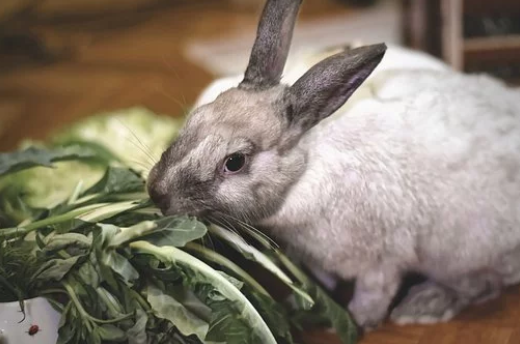
Also, consider a salad containing some of the darkest leafy greens. For example, you could feed your rabbit a mixed lettuce or spinach salad.
The most important part of a rabbit diet is to provide it with adequate water. Without sufficient water, your pet can suffer from a variety of problems, including stomach upsets, diarrhea, and even death.
In addition to providing your rabbit with the correct nutrition, you’ll need to make sure that they get the appropriate amount of exercise. Your bunny needs to have at least 10 minutes of daily playtime to keep them from getting bored.
Preventing parasites
If you own a rabbit, it is a good idea to keep it away from worms. They can be very dangerous and can cause serious health problems.
There are several different types of worms that can infect a rabbit. Each parasite is different and has its own symptoms. However, some of the most common types include ear mites, fleas, coccidia, and pinworms.
These worms live on a rabbit’s skin and internal organs. They are very small and difficult to see, but they can cause symptoms like hair loss and itching.
If your rabbit is sick, it should be taken to a veterinarian. A vet can examine the affected rabbit to identify the worms that are causing the infection and prescribe the correct medication.
A veterinarian can also give advice on how to prevent parasites in a rabbit. In order to reduce the risk of worms, make sure you clean the environment on a daily basis. Avoid using wood bedding, faeces, or hay that is contaminated with dust.
The best way to avoid worms is to ensure your rabbit has a healthy diet. Providing fresh grass hay and fresh water is important. Also, use a flea comb on your bunnies to check for parasites.
If you notice a drop in weight, it is a good idea to get your bunny checked by a vet. Worms can cause diarrhea and severe dehydration. This will not only harm your pet, but can lead to death.
A vet will also check your rabbit for other infections. Depending on your veterinarian’s advice, you may need to give your bunny antibiotics to fight secondary infections.
Almost all rabbits are at risk of ectoparasites. These parasites live inside of your pet, and are most commonly transmitted through contaminated feces or shelter.
Exercise
Exercise for rabbits is important for several reasons. It keeps them fit and healthy, helps them burn fat and maintain a healthy weight, and provides them with mental stimulation.
A properly designed exercise plan should include a number of activities. These can range from simple jumping to more elaborate feats like hopping on a raised surface.
For instance, a small rabbit may be happy to play with a toss or nudge toy. In addition, a well-designed exercise pen will also provide a place to engage in enrichment and playtime.
It should also be noted that a rabbit’s natural tendency is to binky. If allowed, it may enjoy chasing balls or other toys in the air. However, it can be hard to persuade a bunny to binky at will.
The best way to do this is to give them the opportunity. This is accomplished by allowing them to explore a spacious area. Ideally, they should be given a run of at least 10 sq. ft.
To make the most of this opportunity, you should allow your bunnies to exercise for at least 3 hours a day. You should also supervise them while they’re engaged in this activity.
As a general rule of thumb, you should always provide your pet with at least one toy, including toys that are small enough for him to reach. Some rabbits are particularly fond of throwing balls.
While it’s tempting to let your bunnies spend the entire day frolicking in the sun, you’ll be a happier, healthier, and less stressed owner if you do your part to keep your critters active.
To give your rabbit the best possible chances of surviving, you need to provide him with the exercise that he deserves. With that said, you need to remember to supervise your rabbit during his time out of the cage.
Preparation H treatment for sore-hocks
In order to treat sore-hocks in rabbits, Preparation H should be applied on the affected area. This cream can relieve the pain and swelling of pressure sores.
Preparation H is available at most pet supply stores. It is also available in some farm supply stores. These creams are antibacterial and are used to treat skin wounds. They should not be ingested.
Sore-hocks in rabbits can be caused by a variety of factors, including hutch materials, bone structure, and lack of free movement. The symptoms of sore-hocks are swelling, blood spots, and pressure. Rabbits are more likely to lick their wounds.
There are several different treatments for sore-hocks. One of the most common is to treat the wound with an antibiotic ointment. Another treatment is to use a bandage made from rabbit fur.
The severity of the symptoms can depend on the age and breed of the rabbit. If the symptoms are severe, the animal may need to be quarantined. Aside from treatment, a bandage can also prevent unnecessary blood loss.
Although sore-hocks in rabbits are uncommon, they can occur. To protect your rabbit’s hocks, it is important to regularly monitor their condition. Keeping copies of all of their medical records is a good idea.
The best way to protect your rabbit from sore-hocks is to keep them well-groomed and support their feet. Providing your rabbit with a soft, fur-covered cushion can also help.
When your rabbit suffers from sore-hocks, you should treat them as soon as possible. You should make sure to use a bandage to wrap the wound and treat the sore with Preparation H.
Aside from using Preparation H, it is also a good idea to keep your rabbit’s vaccinations up-to-date. It is important to treat underlying health problems and prevent the spread of infection.
Pairing a rabbit
It can be difficult to pair a rabbit for care. These animals are social animals that need special handling and time to get used to each other. Once they become comfortable, they can live together.
The best way to do this is to find a bonded pair. Rescue organizations often have such pairs for adoption. If you can’t find such pairs, then you can try pairing one of your own rabbits with an older, unfixed rabbit.
One of the reasons a bonded pair works is because they are already neutered. Neutering a rabbit is important because it can prevent fights. When neutering a rabbit, you will also be able to keep him from spreading diseases to his new mate.
For starters, it is always a good idea to have two separate cages. Your rabbit will need to eat and drink. You will also need a water dish for him to drink from, and a clean, safe shelter to hide in.
A sheltered area can be a cardboard box or some other space. This will give your rabbit a place to hide in if you are not there to watch him.
Be sure to introduce your rabbit to its new companion in a calm and quiet manner. Rabbits can be quite aggressive when they first encounter each other. They may nip or pull each other’s fur.
If you are unsure of how to go about pairing your rabbit for care, ask an experienced veterinarian. In general, pairing a male and female is a great choice. However, you can also pair any combination of males and females.
You should start with a short session a few days after you bring your rabbit home. These sessions should be gradual, with your rabbits gradually moving in closer as they get more comfortable.
Leave a Reply